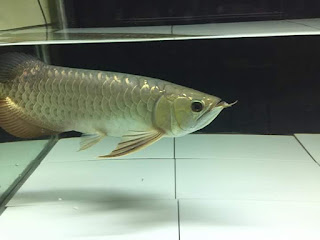
Mythical Beliefs of arowana....

0 comments

In Chinese culture, the dragon represents good luck, strength and power. Especially in the Southern region of China, people believes that a dragon can ward off evil and brings good luck.

Dragon is a significant icon in Chinese and other Asian cultures. During Chinese New Year and other auspicious occasion, people celebrate with Dragon dancing and if you are born in the Year of the Dragon, you are considered to give you a head start in life. The Arowana, also known as the Dragon fish because of its slender body and its distinct and reflective scales makes it resemble the mythical and mighty dragon. Business man started keeping the Arowana, especially the Asian Arowana to maintain a properous and growing business. Geomancer often would encourage their clients to keep a Blood Red Arowana at home or office to bring good luck and ward off evil.

These are the few of the many reasons why people keep Arowana:
1. Incarnation of the mythical dragon
2. Brings Health, Happiness and Good Luck
3. Cast out evil
4. Uphold Families Togetherness
5. Vital to Business Success
6. Predicts Business Affairs

Oscar Fish - Astronotus spp.

0 comments
The Oscar fish is also known as the Red, Albino and Tiger Oscar. Originating in the waters of the Amazon, the Oscar fish is another extremely popular fish. Their popularity stems from their personality, which has been compared to that of a puppy. Many keepers experience begging around meal times or the seemingly playful greetings they receive from their fish when they get home.
There are a few color varieties of the Oscar Fish including albino, olive-green, brown and dark gray. They can get quite large, usually 12-14 inches and should be kept in a 75 gallon or larger aquarium. The Oscar is also known for being one of the more messy tropical fish to keep. Try to get the best filtration system possible for them and be prepared to perform frequent water changes. They are known to rearrange their environment from time to time and to bash in to filter uptake tubes and heaters. If you are wanting to keep live plants in an aquarium you may not want to get an Oscar because they love to dig up plants. They are also very good jumpers, so a heavy hood is a necessity.
The Oscar Fish will eat most flakes, pellets, frozen, freeze dried and live foods including any other fish they share a tank with that are small enough to fit in their mouths.

Oscar Fish Picture


Oscar Fish Profile Facts and Care Information
Scientific Name : Astronotus ocellatus
Common Names : Albino Oscar, Tiger and Red Oscar, Marbled Cichlid
Care Level : Easy, good for freshwater beginners with a large enough tank and those with an adequate aquarium filter and those willing to perform frequent partial water changes.
Size : 13 inches (33 cm)
pH : 6 - 8
Temperature : 72°F - 80°F (22°C - 27°C)
Water Hardness : 5° to 20° dH
Origin / Habitat : Amazon
Lifespan : 10 - 13 years
Oscar Fish Temperament / Behavior : They can be aggressive if not given a large enough aquarium.
Breeding Oscar Fish / Mating / Reproduction : They reach sexual maturity at 4 inches and will form life long pairs. Keep the water temperature around 82°F (28°C) and provide a spot for them to place the eggs. A large rock would work well.
Tank Size : 75 gallon or larger.
Oscar Fish Compatible Tank Mates : Not many - Bala Shark, Silver Dollar, Pleco and Jack Dempsey fish are some acceptable tank mates. However, don't put in any fish that are small enough to fit in the mouth of this fish.
Oscar Fish Disease : Freshwater Fish Disease
Diet / Fish Food : Omnivore, will eat flakes, pellets, freeze dried and live foods. Give them a varied diet with lots of protein.
Tank Region : All over
Gender : Can be difficult to determine. The female is usually smaller and less colorful than a male of the same age.
Similar Species : Cichlids

Blood Red Parrot Cichlid, a Hybrid Cichlid

0 comments
The Blood Red Parrot cichlid is an odd ball man made Hybrid that has stirred quite a bit of controversy in the fish world but has gained a huge popularity with many. Whether you approve of hybrid fish or not, these wonderful Blood Red Parrot Cichlids are here to stay. They are very compatable for a community tank as they are peaceful, curious and they interact well with their fish keepers once they get to know you. Blood Red Parrot fish should not be confused with the true Parrot Cichlid (Hoplarchus Psittacus) or the Salt Water Parrot (Callyodon Fasciatus).
When choosing Blood Red Parrot fish you will notice that the baby Parrots are very dark with stripes. As they start to grow they change color quickly from dark to a mottled black and orange to a true solid Orange. This happens very quickly within the first four months.
Parrot Cichlid History
First created in Tiawan in the 1980's the Blood Red Parrot Cichlid was believed to be a cross between a male midas cichlid and a female red head cichlid but since then there have been many variations to include, Red Devil and Gold and Green Severums and lately to include the convict cichlid pairing as well.
You can recognise the blood red parrot at first sight due to the unique traits this fish possesses. Its beak like head and mouth and round body with large eyes are characteristic of this fish. Their mouths do not close but stay open in a perpetual "O" shape. Their teeth are far down their throats so they pretty much bump into each other but cannot bite and are no match for an aggressive fish due to this deformity produced during breeding.

Behavior
BR Parrots are a shy fish that is timid but will acclimate to a community tank very nicely. They learn to recognise their owners and will come to the front of the tank to greet them. They do love to have their own clay pots or caves to hide in and I would recommend caves in their tanks. They seem to have so much fun swimming in and out of the caves. I find these fish to be very playful and they interact very well with each other and with dither fish as they swim around the tank. I would recommend them for anyone with a tank large enough who would like a peaceful set up with active fish.
Baby Parrot Cichlid

Breeding Parrot Cichlids
Although Parrots will pair off and spawn the male Parrot is usually infertile and the eggs will die off. Successful spawning has resulted when the females have cross bred with non hybrid fish such as the convicts and other cichlids such as the Severums and Midas. Female BR Parrots have been bred with male Convicts to create the Jelly Bean and Bubblegum Parrot. These are usually dyed Red, Green, Blue, Purple or Pink. These fish should be avoided so not to contribute to the horrific procedure these dyed fish are put through. Newly developed though are specimans that are a true pink, due to the cross breeding between the Pink Convict male and a BR Parrot female and are not dyed. They have been called Jelly Bean as well. There have been cases of Jelly Bean and Bubblegum breeding but do not mistake them for true Blood Red Parrot fish.
The Purple Blood Parrot is another popular Parrot that is not actually purple but a bright red and is not dyed. Another is the Love Heart BR Parrot, a tailess varity that has a heart shape body.

Parrot Cichlid Diet
Feed your Parrots a varity of food, such as blood worms and brine shrimp as these seem to be their favorite foods. You can also feed them a quality pellet as well as a quality flake. Food high in b-carotene will help maintain their vibrant colors.

Parrot Cichlid Compatibity
BR Parrots are compatible with many fish such as mid size Tetras, Giant Danios, Cory cats or any catfish, Plecos, Kribs, Severums and Angelfish. Convicts are a good choice as well, but be careful of any aggressive issues and the possiblity of a spawn between these two species.

Parrot Cichlid Tank requirements
Adult Parrot fish can reach 10 inches. Most males though will average 7-8 inches and females a bit smaller averaging around 6-7 inches. You should make sure they have ample swimming areas with clay pots or caves. Rocks and driftwood would complete a comfortable tank set up as they love to have places to hide. Water temperature should be maintained between 76-80°F. PH should be around 6.5-7.4. A smooth small sized gravel or sand is ideal. They are a hardy, undemanding fish that only require room to swim, compatible tank mates and good healthy foods in order to be happy. With the heavy bio load of Parrots, it is essential that you have good aquarium filteration.
I have 5 juvenile BR Parrots in my 55 gallon community tank that will move to a 120 gallon tank this spring. I cannot say enough of the joy these special fish have brought to me and when you look into those big beautiful eyes, you will find them hard to resist as well. 


 Parrot Cichlid Profile and Care Information
Scientific Name : none, a Hybrid Cichlid
Common Names : Blood Red Parrot, Bloody Parrot
Care Level : Moderate
Size : 8" (20 cm)
pH : 6.5 - 7.0
Temperature :72-82F (22-28C)
Lifespan : about 10 years
Origin / Habitat : Man-made, not present in Nature, but Parents are South American Cichlids
Temperament / Behavior : Peaceful
Breeding / Mating / Reproduction : Males are usually infertile. Can be bred with Midas, Severum and Convict Cichlids.Egg layer, open Breeder.
Tank Size : Minimum 42 gallons, additional 10 gallons for each thereafter.
Compatible Tank Mates : non aggressive fish species.
Fish Disease : Freshwater Fish Disease
Diet / Fish Food : omnivore, see above for more details.
Tank Region : Bottom- mid dweller
Gender : Even for experts, it is nearly impossible to sex them. Usually the only way is by dissection, or if they happen to lay eggs (an unlikely occurrence).
Similar Species : Cichlids
Photo Courtesy CapeKate

Convict Cichlid - Archocentrus nigrofasciatus

0 comments
The Convict Cichlid is probably ranked number 3 out of all cichlids as far as popularity goes, with Angelfish and Oscars being 1 and 2 respectively. Convict Cichlids have the common name of "convict cichlid" because of the white and black contrasting patterns they sport. Males may be larger than females of the same age and the females may have a pink or orange tint to the belly region. There is an Albino Convict Cichlid as well. This fish can get to be about 4 inches (10 cm) and should do fine in a 20 gallon (78 liters) or larger aquarium.
The Convict Cichlid is a fascinating species that is known as being a profilic breeder. If you have a male and female, chances are you're going to get some baby convicts soon. All they need are stable water parameters and a cave or flower pot for securing the eggs. They will get quite aggressive in protecting their territory and they should not be kept with peaceful community type fishes. The great part about breeding convict cichlids is watching the parental care given to the fry. This can provide hours of enjoyment.
Keeping a pair of convict cichlids in a community tank is just asking for trouble. If you have only one, you may be able to get away with keeping them with peaceful species but caution is still advised.
These cichlids should eat nearly everything offered including flakes, frozen and live foods. Look for cichlid pellets which can give them all the vitamins and minerals they need. 


Convict Cichlid Profile Facts and Care Information
Scientific Name : Archocentrus nigrofasciatus
Common Names : Convict Cichlid, Zebra Cichlid, Albino Convict
Convict Cichlid Care Level : Easy
Size : Up to 4 inches (10 cm)
pH : 7 - 8
Temperature : 70°F - 80°F (21°C - 27°C)
Water Hardness : 10° to 15° dH
Lifespan : 8 - 10 years, maybe slightly longer
Origin / Habitat : Guatemala, Central America
Temperament / Behavior : Like many cichlids, the convict cichlid is no exception when it comes to defending it's territory, especially when breeding. They will protect themselves and may harm other fishes.
Breeding / Mating / Reproduction : Very easy to breed them and they are great parents. Provide a clay or plastic type of cave (flower pot) and they should pair up assuming you have a male and female. They should place the eggs on the walls or top of the flower pot. Eggs should hatch within 3 to 4 days and the parents may relocate them to a pit where they can watch over them. Another 4 to 5 days later they should be free swimming and you should feed them crushed flake food.
Tank Size : 20 gallons (78 liters)
Compatible Tank Mates : If you're trying to breed them it's best to keep them as a pair in a tank by themselves. They should do well with other larger cichlids but you may see some aggression from time to time. Don't put convict cichlids in a community aquarium.
Fish Disease : Freshwater Fish Disease - Diagnose, Symptoms and Treatment
Diet / Fish Food : They should accept nearly all aquarium fish foods including flakes, frozen, freeze dried, live and cichild pellets.
Tank Region : Bottom to middle areas of the tank.
Gender : Males may be larger than females of the same age. Females usually have pink or orange on the belly. Males may have longer dorsal fins.
Similar Species : Cichlids

cichlids lovers

0 comments
https://www.facebook.com/pages/Cichlids-lovers/119708784877763

FLOWER HORN / AROWANA REARING GUIDELINES...

1 comments
GENERAL SYMPTOMS OF FLOWER HORN / AROWANA DISEASES:
  • scratching the body / belly against bottom gravels or glass.
  • white thread like faeces or cotton wool like excretion from the anus of the fish.
  • bite and split behaviour of the fish.
  • standing idle in a corner near to filter or at the bottom.
  • sudden darkening of color.
  • formation of pimples or holes in the fore head region.
FEEDING METHODS:
  • feed twice a day viz.morning & evening.
  • do one day fasting in a week.
  • do not feed live fishes like gold fishes,mollies or guppies etc.
GENERAL MAINTENANCE:
  • do 25% bottom water exchange once in a week.
  • never allow uneaten food to remain in the tank for more than 10 minutes.
  • keep internal or external power filter in the tank.


Step by Step Breeding Process

0 comments

These breeding steps are base on my experience only. Other breeders may have their own ways.

1. Introduce the male and female by putting divider in between. 

divider

Image
2. In a week or two, you can remove the divider and observe for at least 30 minutes to see if they are getting alone. If they are biting each other, then divide them again. Also, you can divide them until the female's egg tube is dropped then remove the divider. If the female is smaller than the male, you can put holes in divider that big enough for the female to go back and forward. (Note: Always put a clay pot on the male side)

Image 

Fish are circling each other when divider is moved. (Observe and see if they are biting each other)


3. Once they are getting alone, the male and/or the female will clean the clay pot. When the female's egg tube is dropped, they will be breeding in a day or two.


Male cleaning the clay pot.
Image


4. Laying eggs, you can watch them lay eggs in a few feet but don't glue your face to the glass of the tank while watching. They will be aggressive and protective of their eggs. The male will spend his time watching and biting you instead fertilize the eggs.


5. After they are done laying and fertilized the eggs. There are two ways that you can do with the eggs. first, leave the eggs with both parents or take out one parent. Second, take out the eggs and hatch them in a small tank. For me, I usually take out the eggs, but I leave the eggs with parents for at least until I know they are fertile and guarantee will hatch. Then I move the clay pot where the eggs are on to a smaller tank. This is the most important when hatching the eggs yourself, fill in the new tank with the same water from the parent tank then move the eggs but don't expose the eggs in air. Treat the eggs with fungus medication, I have successfully using "quick cure" to hatch eggs.

Fertile eggs, the eggs will have black dots that look like eye balls.
Image

Eggs are in their own tank. Note, I laid the clay pot slanted so when the fry hatch, they will roll down to the bottom of the tank. Then I can remove the clay pot with the fungus eggs out easily. 


6. Eggs will hatch in three days. Starting from the hatching day, the wigglers will swim in four to five days. I keep the temperature between 82-86 degree. Once the fry are free swimming, I feed them frozen baby brine shrimps until they are big enough to eat NLS GROW (New Life Spectrum Grow).


Two weeks old
Image

Three weeks old
Image
A lot of water changes and foods, the fry should grow an inch per month.